

YAISU Magnetic Flux Leakage Detector: Building a Safety Barrier for Long-Distance Oil and Gas Pipelines
YAISU Magnetic Flux Leakage Detector: Building a Safety Barrier for Long-Distance Oil and Gas Pipelines
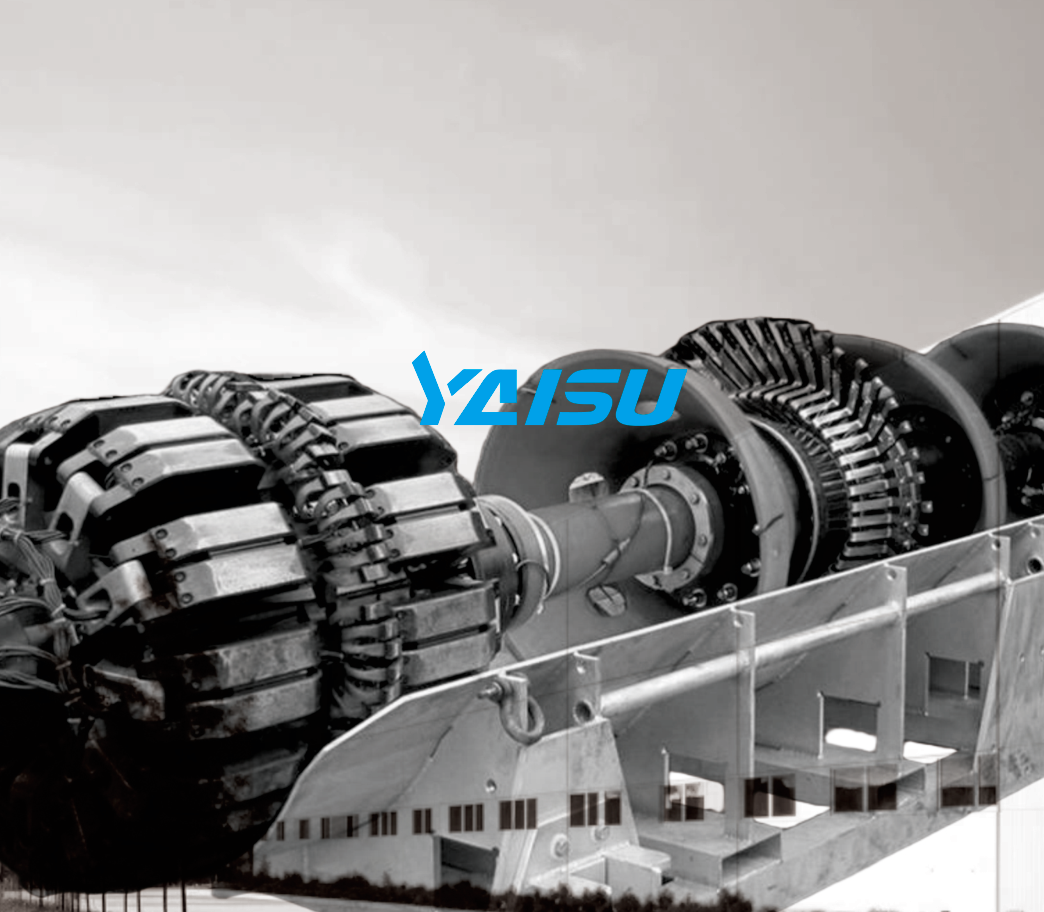
Amid the intricate underground pipeline networks in cities and the vast oil and gas pipelines spanning thousands of
miles in the petrochemical industry, there exists a "hidden guardian" silently ensuring the safe operation of these
pipelines—it is the magnetic flux leakage detector. As a core device in the field of non-destructive testing, the magnetic
flux leakage detector, with its unique technical principles and exceptional inspection capabilities, serves as a crucial force
in assessing the health of industrial pipelines.
The emergence of magnetic flux leakage detection technology stemmed from humanity's urgent need to inspect defects
in ferromagnetic materials. As early as the mid-to-late 19th century, the UK pioneered this method by detecting discontinuities in artillery barrels and rails, marking the inception of magnetic flux leakage detection. In the early 20th century, American scientist Dr. Sperry proposed a technique involving U-shaped electromagnets for magnetizing materials and induction coils for capturing leakage magnetic fields, which was patented in 1932, signifying the birth of modern magnetic flux leakage detection technology. Over nearly a century of evolution, this technology has undergone continuous iteration and advancement—from manual operations to today's intelligent and automated inspection. Magnetic flux leakage detectors have now become mainstream equipment in the field of industrial pipeline inspection.
The working principle of the magnetic flux leakage detector is based on the magnetization characteristics of
ferromagnetic materials. When a ferromagnetic pipeline is magnetized to saturation, if there are defects such as corrosion,
cracks, or wall thinning on the inner or outer surface, the permeability at the defect site will drop sharply, and the
magnetic reluctance will increase significantly, causing distortion in the magnetic flux within the magnetic circuit.
Some of the magnetic flux will bypass the defect, while some will leak into the space around the pipeline surface,
forming a leakage magnetic field. The detector captures the signal changes of the leakage magnetic field through
built-in high-sensitivity sensors, such as Hall sensors or TMR magnetic sensors, and converts them into electrical signals.
After data processing and analysis, it can accurately locate the position, size, and severity of the defects, providing a
scientific basis for pipeline maintenance and repair.
Compared to traditional pipeline inspection methods, the magnetic flux leakage detector offers significant advantages.
Firstly, it enables non-contact inspection without damaging the pipeline structure or requiring production shutdowns,
greatly reducing inspection costs and minimizing operational impact. Secondly, the detector boasts high precision,
capable of identifying minute defects on both the inner and outer walls of pipelines, with a minimum detectable defect
equivalent ranging from 10% to 20% of the wall thickness. Additionally, the magnetic flux leakage detector features
rapid inspection speeds and broad applicability, making it suitable for ferromagnetic pipelines of varying diameters and
materials. Whether for urban water supply pipelines, gas pipelines, or oil and petrochemical industry pipelines, it delivers
outstanding inspection performance.
In practical applications, the performance of the magnetic flux leakage detector is equally outstanding. In the health
assessment of aging urban pipelines, the detector can penetrate underground pipelines to conduct comprehensive
inspections of corrosion levels and wall thickness variations, providing accurate data support for pipeline renewal and
upgrades. In the petroleum and petrochemical industry, the magnetic flux leakage detector is widely used for internal
inspections of oil and gas pipelines, promptly identifying defects such as corrosion and cracks inside the pipelines,
effectively preventing incidents like leaks and explosions. Statistics show that pipelines regularly inspected with magnetic
flux leakage detectors can reduce accident rates by over 80%.
With the advent of the Industry 4.0 era, magnetic flux leakage detectors are continuously evolving toward intelligent and
digital advancements. The new generation of these detectors integrates cutting-edge technologies such as the Internet of
Things, big data, and artificial intelligence, enabling real-time transmission, analysis, and sharing of inspection data.
Inspectors can remotely monitor pipelines and defects in real time through a centralized platform, allowing for timely
maintenance planning. Meanwhile, the application of AI algorithms significantly enhances the accuracy and efficiency
of defect identification in magnetic flux leakage detectors, enabling automatic recognition and classification of various
defect types to provide more reliable safeguards for pipeline safety.
However, the development of the magnetic flux leakage detector industry also faces certain challenges. On one hand,
pipelines made of different materials and operating under varying conditions impose diverse requirements on magnetic
flux leakage detection technology. Enhancing the versatility and adaptability of detectors remains a key issue to be
addressed by the industry. On the other hand, analyzing and interpreting magnetic flux leakage detection data requires
specialized knowledge and experience. Cultivating more professionals and improving the overall technical level of the
industry are also critical tasks for its advancement.
Despite the challenges, the prospects for the development of the magnetic flux leakage detector industry remain broad.
With the continuous advancement of global infrastructure construction and increasing emphasis on industrial safety,
the market demand for magnetic flux leakage detectors will continue to grow. Meanwhile, ongoing technological
innovation and breakthroughs will further propel the development of this industry. In the future, magnetic flux leakage
detectors will play an even more critical role in the safety inspection of industrial pipelines, becoming the "steel guardian"
that safeguards industrial production safety.
Tianjin Yaisu Intelligent Technology Co., Ltd., headquartered in the High-End Equipment Manufacturing Industrial Park of
the Beichen National High-Tech Development Zone in Tianjin, boasts a team composed of high-tech experts from
institutions such as the Chinese Academy of Sciences, Zhejiang Tsinghua Institute of Flexible Electronics Technology, and
Hebei University of Technology. Specializing in the development of automated magnetic flux leakage detection and
magnetic adhesion wall-climbing robot technologies, the company serves industries including gas, petroleum, chemical,
and wind power. It produces and provides pipeline magnetic flux leakage internal inspection devices and detection
services, develops customized magnetic adhesion wall-climbing robots, rust removal robots for storage tanks and ships,
scarification robots, cargo hold cleaning robots, visual inspection robots, internal tank corrosion prevention robots, and
wind turbine tower maintenance robots. The company offers wall-climbing automated robotic technologies and pipeline
inspection solutions.
Main Products: Pipeline Magnetic Flux Leakage Internal Inspection Tools, including design, production, and sales of
full-size pipeline magnetic flux leakage internal inspection tools, as well as providing pipeline magnetic flux leakage
internal inspection services.
Main Products: Magnetic climbing robots, specializing in the design, production, and sales of magnetic climbing robots,
as well as undertaking high-altitude work services.
Get exclusive solution now: +86 18901245777 / yaisu@aliyun.com